
Welcome to Lulua-Dubai Company
Discover Quality, Experience Excellence
Discover Quality, Experience Excellence
nhanced Cable Management and Organization
Picture a mess of cables running to and fro. You have no idea where a cable ends, what it is for, or what would happen if you were to pull the wrong one. It would be a disaster.
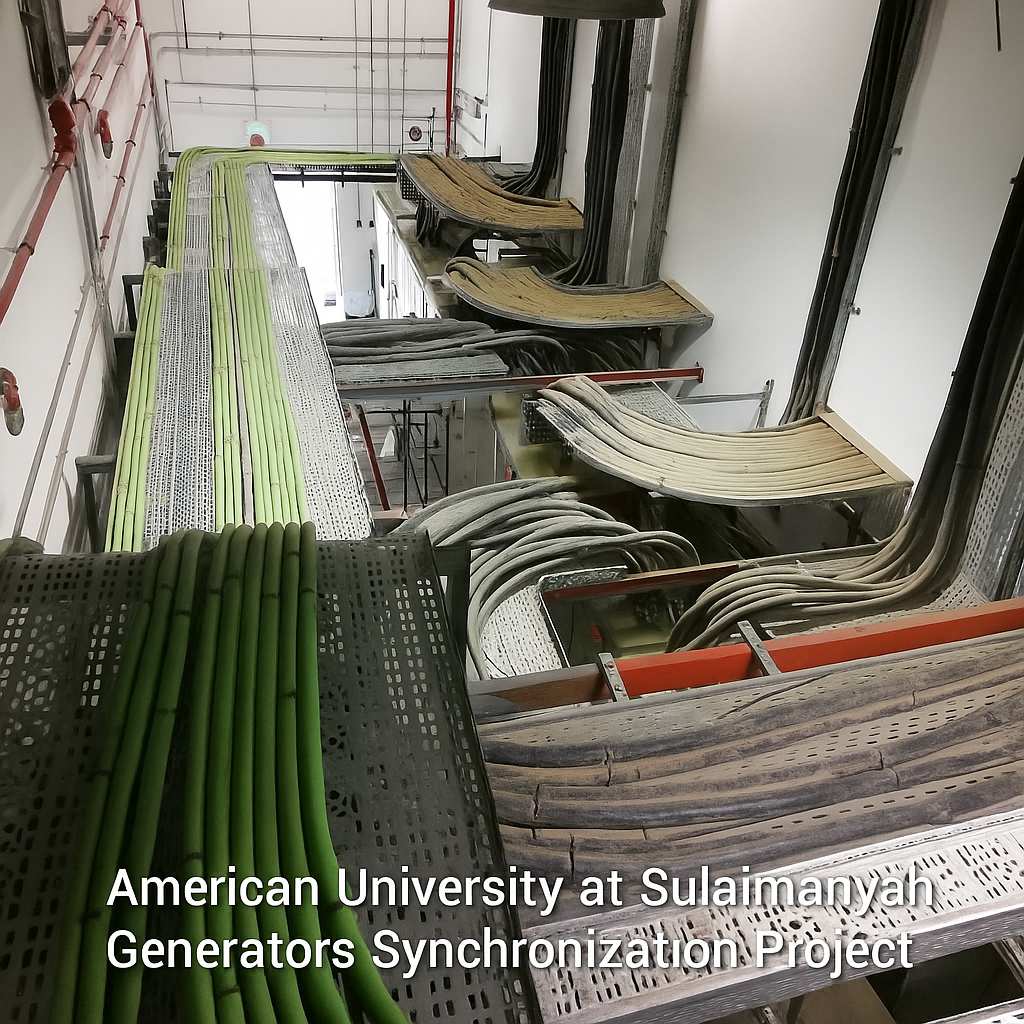
Cable trays offer a streamlined way to organize and support multiple cables. Thus preventing tangled and messy setups. This organization not only looks professional, but it also reduces the chances of cable damage, making it easy to access individual cables for repairs or upgrades.
Increases Safety
Poorly managed cables and wires pose significant risks. For instance, tripping, short circuits, fires, and electrical shocks. Moreover, some of the newest cables and optic fibers are extremely delicate. One strong push and it could break or become faulty.
Cable tray systems keep cables off the floor, reducing these dangers and creating a safer environment for building occupants. Additionally, these trays can be quickly grounded. Thus providing an added layer of safety by reducing the risk of electrical shocks in the case of cable insulation failure.
Suited for Adaptability and Flexibility
As years pass by, your building’s infrastructural needs may also evolve. These requirements may be due to changes in technology, occupancy, or operations. Cable tray systems are designed with adaptability in mind.
They allow for easy modification and expansion of cable and wire networks without significant disruption. Unlike traditional electrical connection systems, which require extensive work to reroute or add new lines, cable trays reduce downtime and labor costs.
Improved Airflow and Heat Dissipation
Heat is common when you are dealing with electricity. Depending on the quality of the wires and their distinct characteristics, the amount of heat dissipated can range from minimal to intense. Your typical enclosed conduits trap the heat. Furthermore, it has higher installation costs, is difficult to alter, and poses a risk of condensation buildup.
In contrast, cable tray systems expose cables to ambient air, allowing the heat to dissipate and minimizing thermal stress. This characteristic is of the utmost importance, especially in sectors where there’s high cable density.
Cost-Effectiveness
Electrical systems are not one-time investments. They need constant maintenance and health checks. Cable tray systems offer a cost-effective alternative for managing your cables and wires. They are straightforward to install, which significantly reduces their labor costs.
Moreover, they can be easily reconfigured or expanded as needed, which means fewer maintenance costs for future modifications. The cables are also easily accessible, allowing for quicker inspection and repairs. This efficiency can translate into significant savings over the building’s lifespan.
Compliance with Safety Standards
As a building owner, you take responsibility for your occupant’s safety and well-being. There are a number of hazards associated with loose or tangled cables and wires. Cable tray systems minimize this hazard. Additionally, they are designed to meet the required safety standards and regulations. Here’s how.
They help organize your cables well. Thus reducing the chances of short circuits and electrical fires. Many cable trays are constructed from materials that are resistant to corrosion and heat. This further enhances their safety profile. Additionally, by allowing for proper cable separation and management, cable trays help ensure that maintenance personnel can work safely around electrical systems, reducing the likelihood of accidents.
Note: attached photo is for our team implmened project at AUIS.