
Welcome to Lulua-Dubai Company
Discover Quality, Experience Excellence
Discover Quality, Experience Excellence
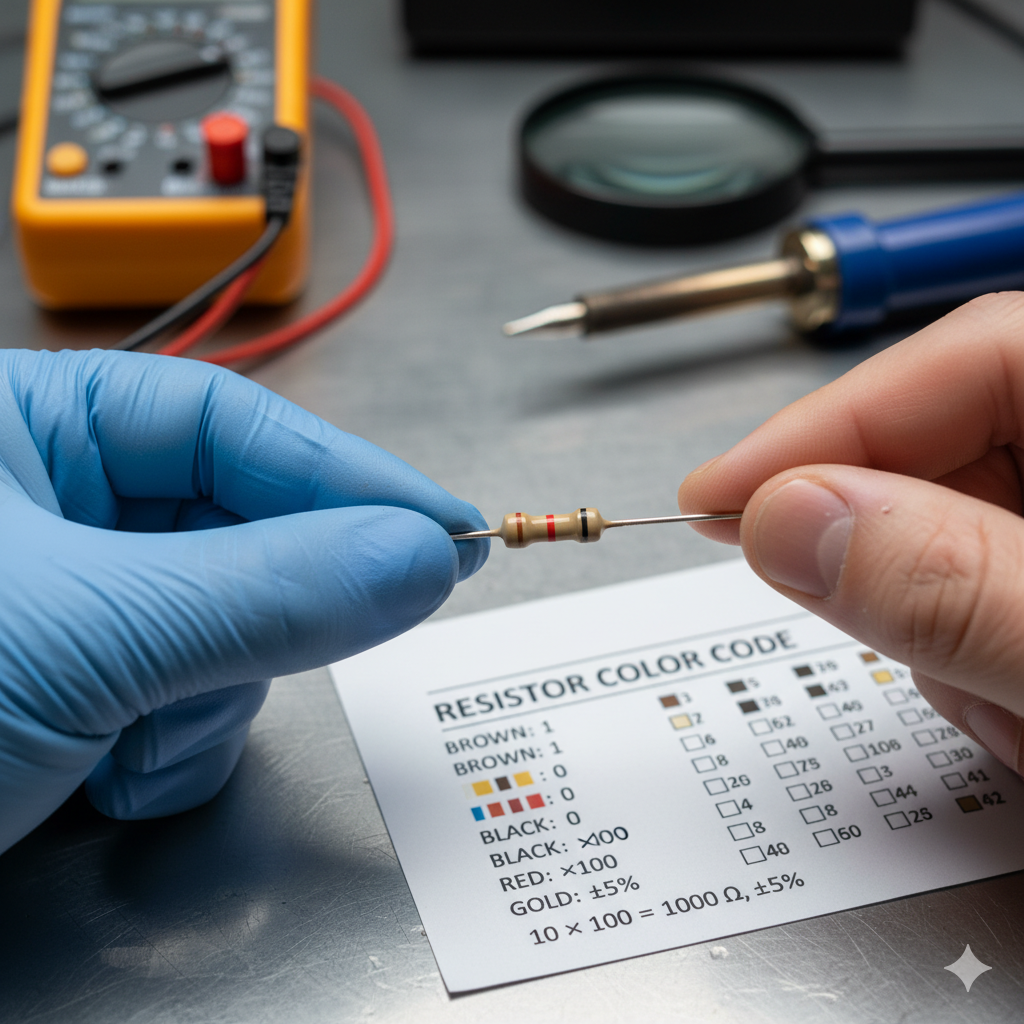
Measuring resistivity directly by color isn't a standard or accurate method in electrical engineering. Resistivity is an inherent material property, typically measured using specialized equipment like ohmmeters, multimeters, or four-point probe systems, which apply voltage and measure current to calculate resistance and then resistivity based on dimensions.
However, the "color code" you might be thinking of is used for resistors, which are components designed to have a specific resistance, a property related to resistivity. Resistor color codes are a standardized system to indicate a resistor's ohmic value, tolerance, and sometimes temperature coefficient. Each color band on a resistor corresponds to a numerical value. For example, a resistor with bands brown, black, red, and gold would signify a resistance of 1,000 ohms (1 kilo-ohm) with a 5% tolerance.
It's important to differentiate: the color code tells you the resistance of a specific component, not the intrinsic resistivity of the material it's made from, nor does it allow for direct measurement of resistivity. The actual resistivity would need to be calculated if the dimensions of the resistive material were known.