
Welcome to Lulua-Dubai Company
Discover Quality, Experience Excellence
Discover Quality, Experience Excellence
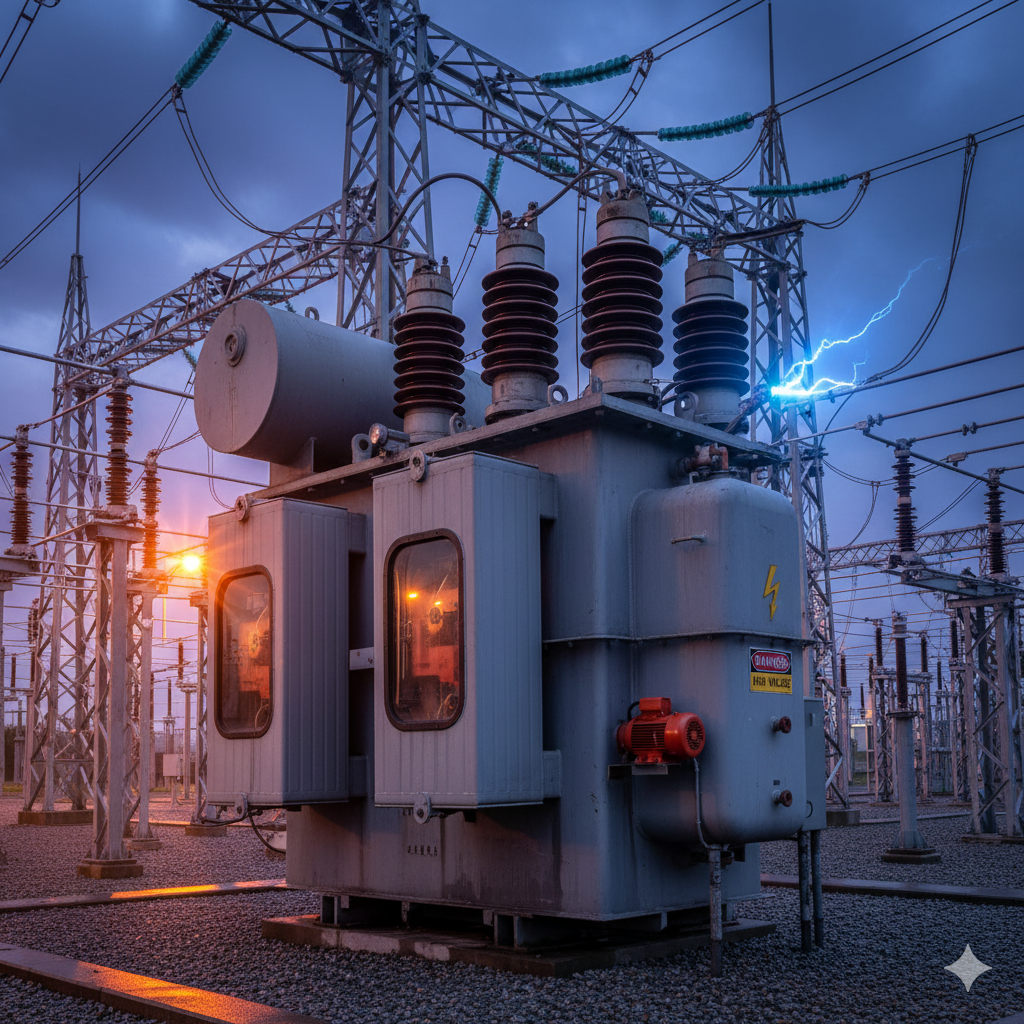
An electrical transformer is a static electrical device that transfers electrical energy between two or more circuits through electromagnetic induction. Its primary purpose is to...
Read More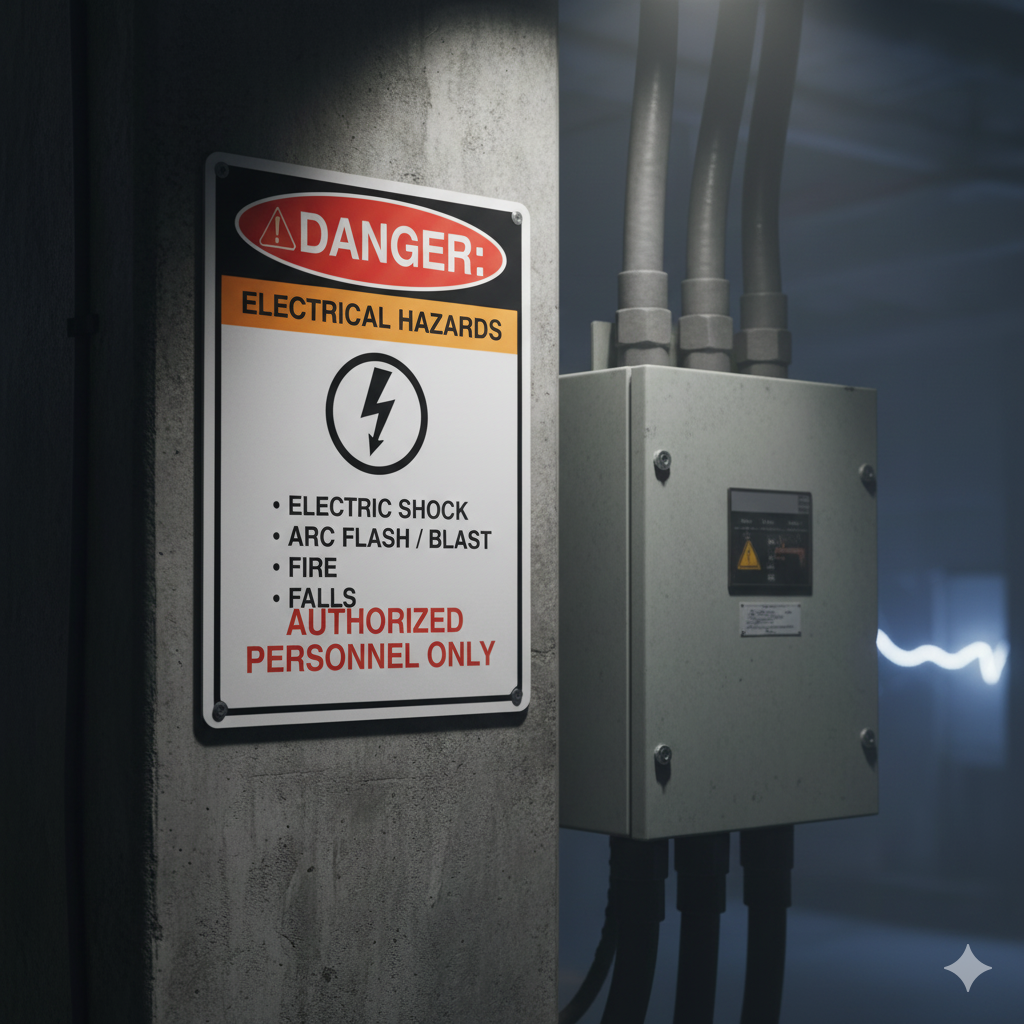
Electrical hazards pose a significant risk, capable of causing severe injury or even death. Understanding and respecting these dangers is crucial for safety in any...
Read More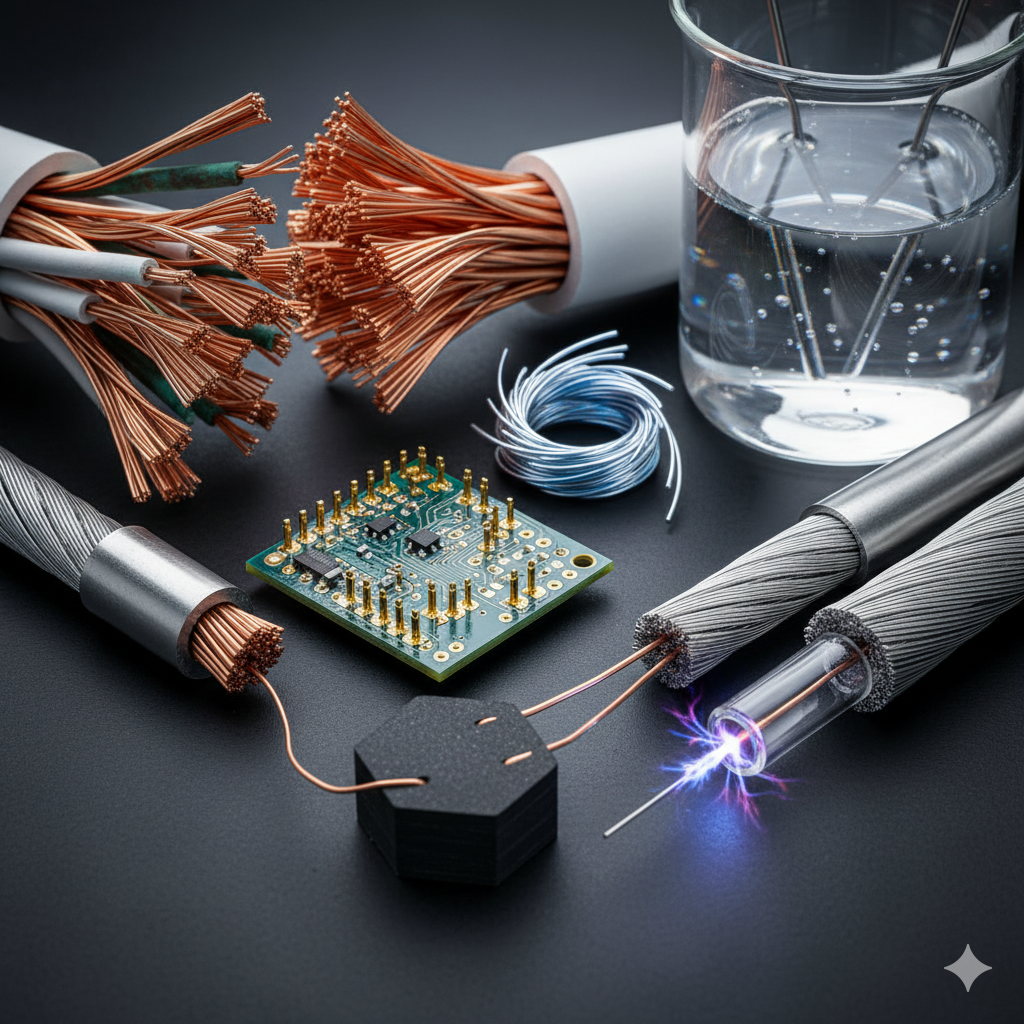
An electrical conductor is a material that allows electricity to flow through it easily. This is in contrast to an insulator, which resists the flow...
Read More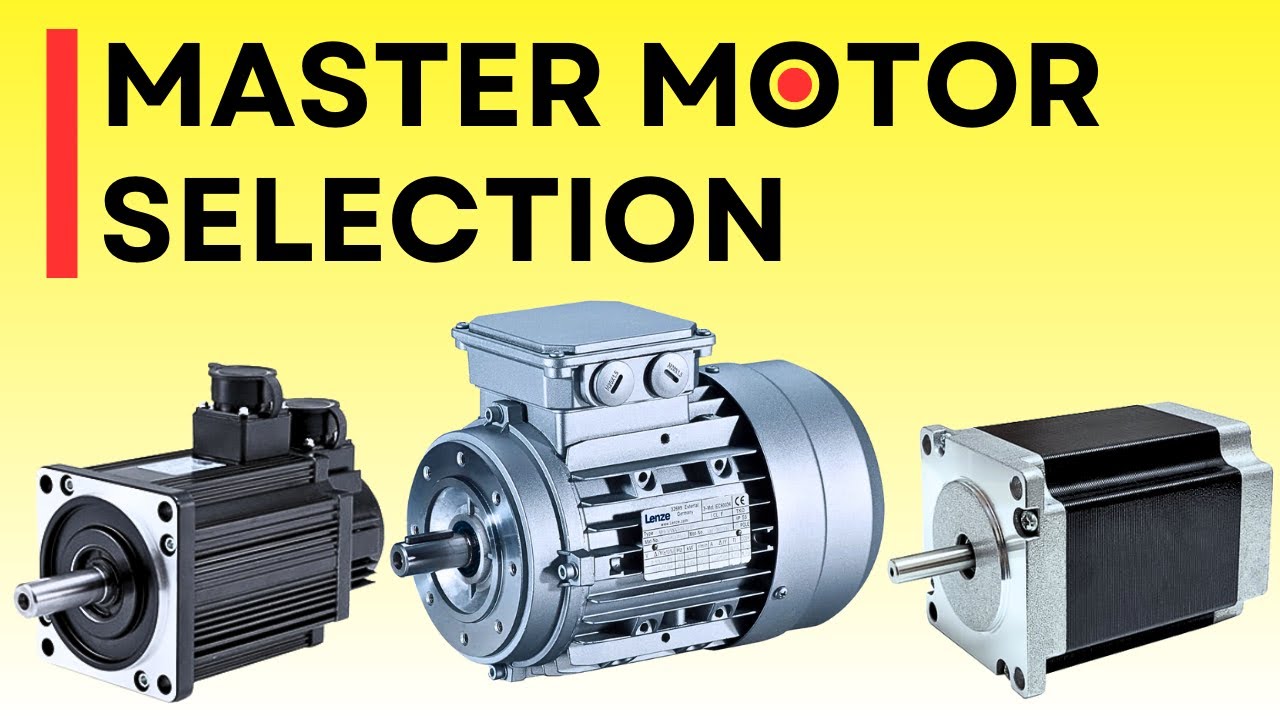
Selecting a suitable electric motor is a critical decision that impacts system performance, efficiency, longevity, and cost. It involves a systematic evaluation of the application's...
Read More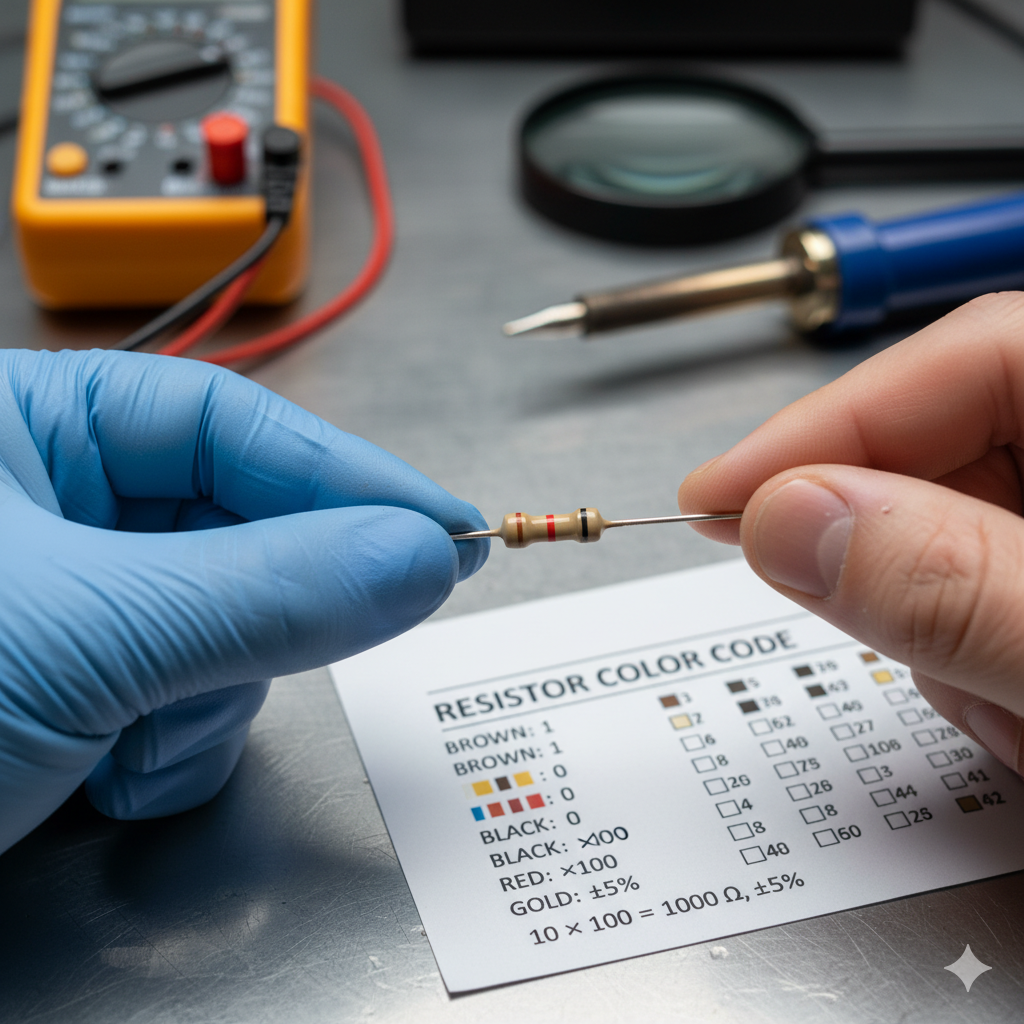
Measuring resistivity directly by color isn't a standard or accurate method in electrical engineering. Resistivity is an inherent material property, typically measured using specialized equipment...
Read More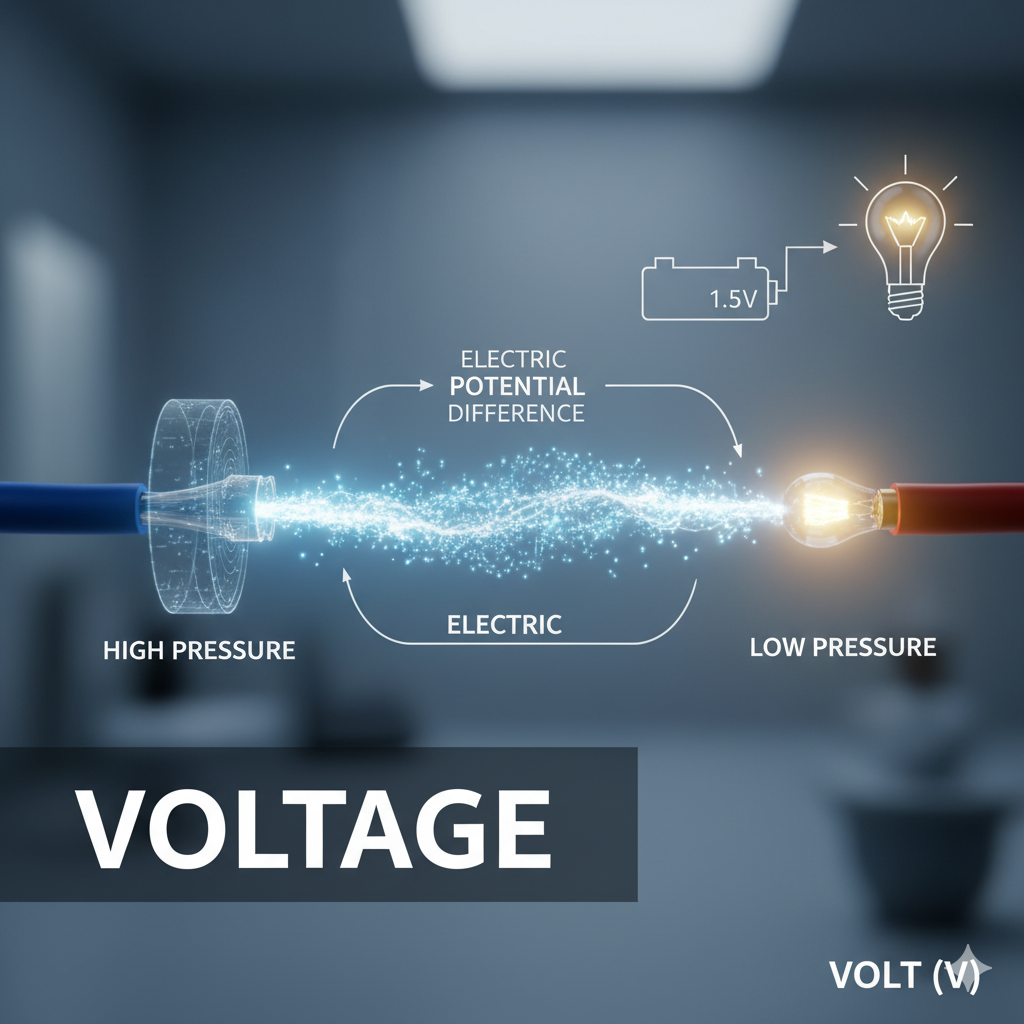
Electrical voltage, often referred to as electric potential difference or electromotive force (EMF), is the "pressure" or "force" that drives electric current in a circuit....
Read More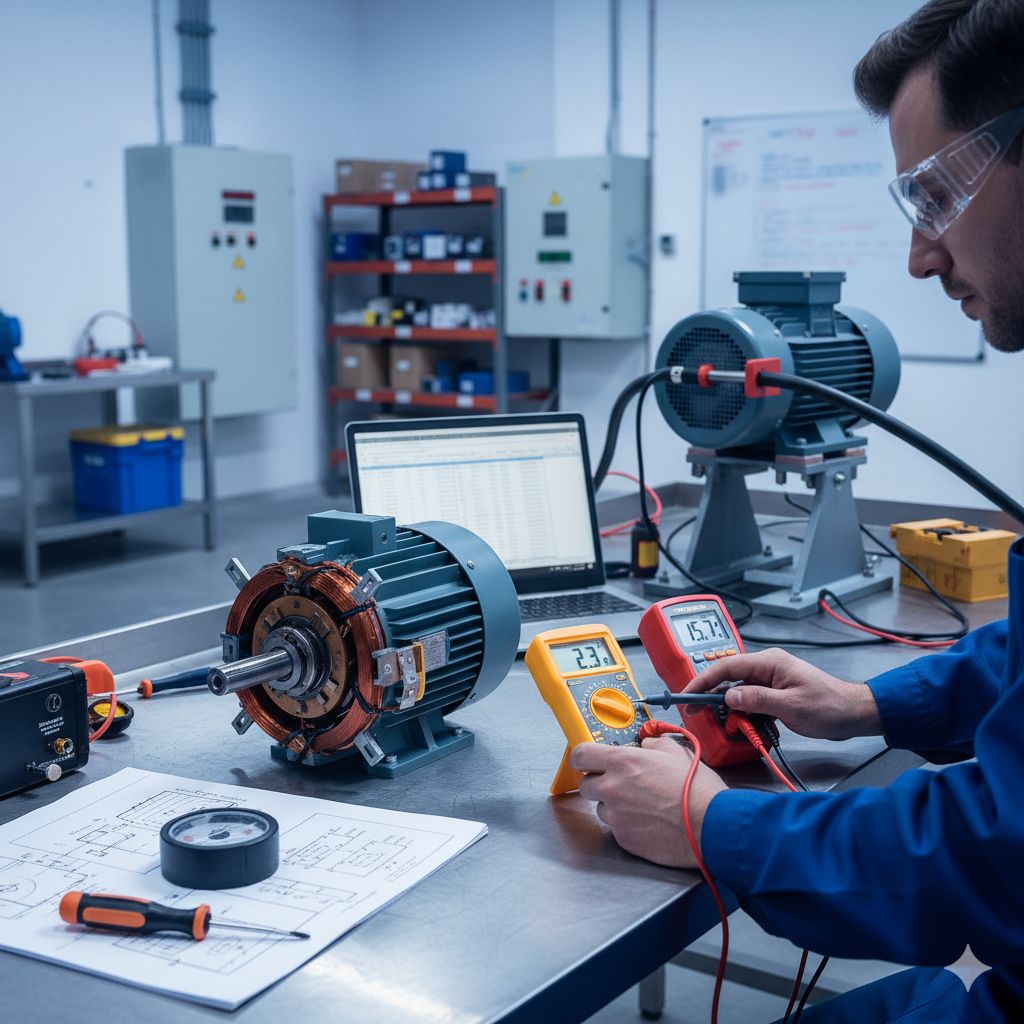
Measuring the electrical characteristics of single-phase and three-phase motors is crucial for understanding their performance, troubleshooting issues, and ensuring safe operation. While the fundamental principles...
Read More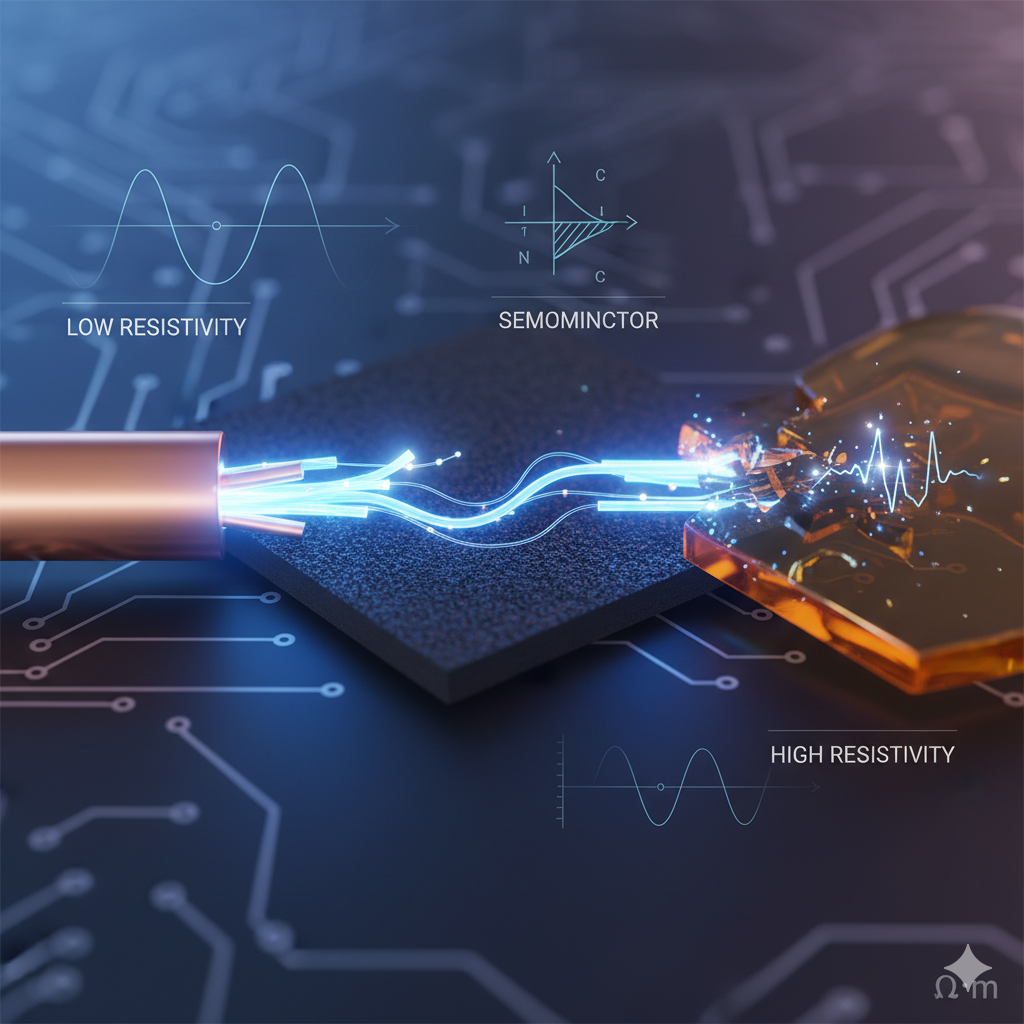
Electrical resistivity is a fundamental intrinsic property of a material that quantifies how strongly it opposes the flow of electric current. Unlike resistance, which depends...
Read More